A two-part reflection on burnout and balance from Dragonfly Psychotherapy, Guildford and Horsley, Surrey. Explore how masking hides exhaustion, why slowing down feels so hard, and how small pauses can restore wellbeing. Online therapy available UK-wide.
We live in a world that rarely pauses - where busyness is worn like a badge and stillness can feel uneasy. This explores what happens when we keep going past our limits, and how we might begin to find balance again.
In Part 1, I share thoughts on burnout and the ways we learn to mask it - smiling on the outside while running on empty. In Part 2, I explore why slowing down can feel so difficult, and what it means to rediscover the art of stopping.
These are personal notes, drawn from my lived experience and from my work in psychotherapy. I hope they offer a moment of recognition - and perhaps, a reason to pause.
Burnout is a gradual response to prolonged stress with emotional exhaustion, reduced efficiency and detachment; early recognition helps prevent escalation.
Recent UK data show rising workplace stress and burnout symptoms - many employees report moderate-to-high stress and organisations often lack prevention plans.
Masking is consciously or unconsciously hiding how you feel - is linked in research to poorer mental wellbeing and can make burnout harder to spot.
Practical recovery steps (rest, boundaries, re-evaluating demands, seeking support) are evidence-based starting points for managing burnout.
Part 1: Burnout & Masking - "Looking fine but running on empty"
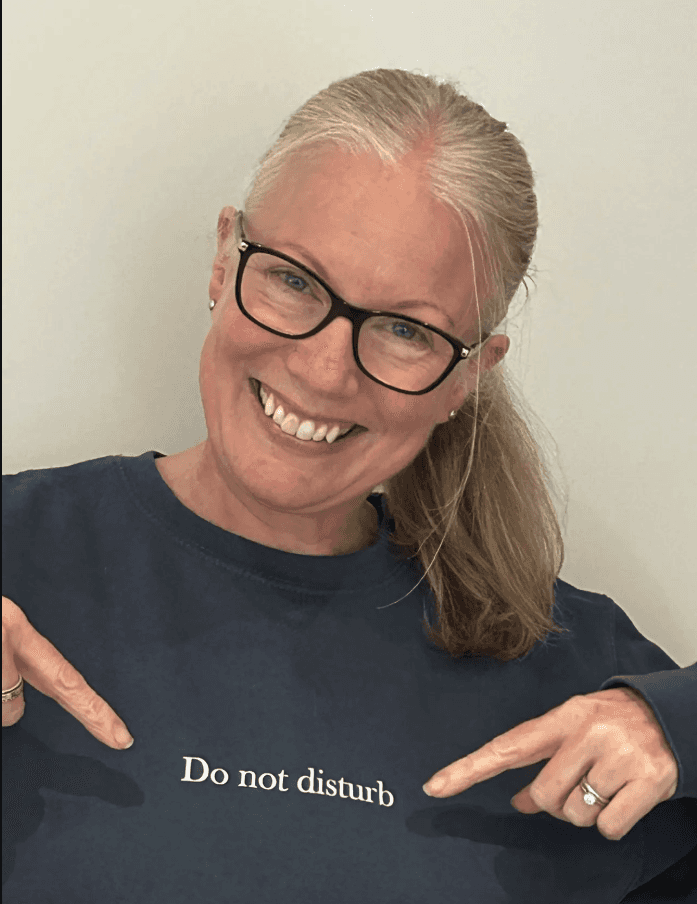
This photo captures the tension so many of us live with - smiling on the outside while quietly running on empty.
What do we mean by "masking" - and why it matters?
Masking is the energy it takes to present "okay" when you're not. It can look like brighter social media posts, composed meetings, or an upbeat tone on the phone - all while the inner experience is tired, numb or overwhelmed. Because people can become skilled at masking, burnout often goes unrecognised until it's advanced.
Common signs of burnout (what to notice)
Persistent exhaustion that sleep doesn't fix.
Blunted emotions, irritability or feeling numb.
Reduced satisfaction or cynicism about work or daily life.
Frequent sick days or working when unwell.
If you recognise more than one of these over months rather than days, it's worth pausing to reflect.
Why masking hides burnout
When we hide fatigue or distress, others assume we are coping. That reduces opportunities for support and can delay practical changes at work and home. Research links the ongoing effort of masking to worse mental wellbeing - so being "good at coping" can actually increase harm.
What helped me (and what I offer clients)
From my own experience and clinical work, helpful first steps are:
Permission to pause. Small, realistic micro-breaks reduce pressure.
Gentle boundary practice. Saying no to one extra thing a week can create space.
Tracking patterns. Note when energy dips happen (time of day, tasks, people).
Reaching out. Talking it through with someone impartial reduces isolation and clarifies next steps - whether that's practical workplace adjustments, CBT-informed tools, or psychotherapy.
Practical tips you can try this week
Put a 10-minute "do not disturb" on your calendar twice this week and make it untouchable.
Write down three things that drain you and one thing that helps you recover.
Consider one tiny boundary to practice (e.g., no email for 30 minutes in the evening).
When to consider professional support
If exhaustion is persistent, trust is low, motivation is gone, or you're having physical symptoms related to stress, please reach out. Early support prevents escalation.
If this resonates with you, reflect on one small boundary you could try today. If you want to explore this with support, I offer short exploratory sessions and ongoing psychotherapy (in Guildford and Horsley), or online across the UK for adults and young people aged 11 and over.
Look out for Part 2 in the mini-series: "The pause that feels impossible."